Climate change is a collective action problem augmented by transportation policy; oil and agriculture subsidies; meat-heavy diets; demand for non-seasonal varieties and cheap consumption of goods. Supply chain improvements and regulation help, but the infrastructure change needed is the societal infrastructure of ideals: the “good life” and “American dream”. The housing crash didn’t dissuade the dream for detached single family homes; will coastal flooding change our vision of good living away from massive cheap “now” consumption?
While urban political ecologies tout international equity disparages, our world economy, bound tightly with its international supply chains, depends on cheap “now” consumption. If the U.S. slows its massive consumption, or insulates consumption, economic/political chaos would ensue. Redistribution won't solve the problem. Since capitalism is the world economic system of choice, how do we solve its destructive effects without destroying the benefits?
Bigger question: what level of consumption is just—what is human habitat? 2000 sqft house vs a room, 2 automobiles vs transit, 2 global vacations a year vs regular staycations, easy / cheap air travel vs rail, etc.? The questions of how much, what dictate our spatial form as much as where. No amount of regulation or redistribution will impact the attitude of developing nations more than our example. Our collective fate lies in our severely underdeveloped societal maturity and self-restraint.
 |
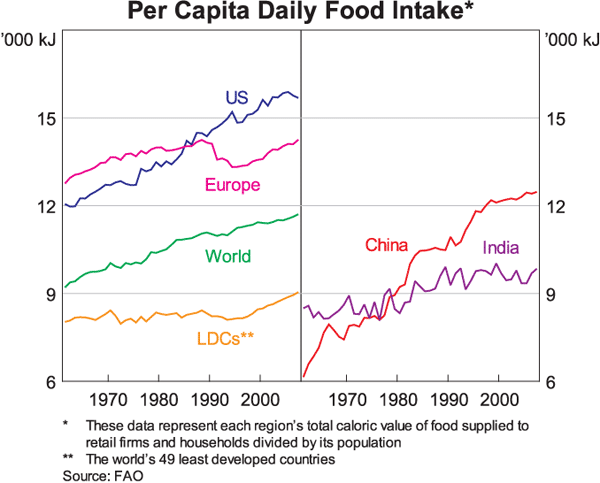
| Do we want this much food? |
 |
| Do we need to eat like this? |
 |
| Do we want to be like this? |
 |
| Should we eat like this? |
 |
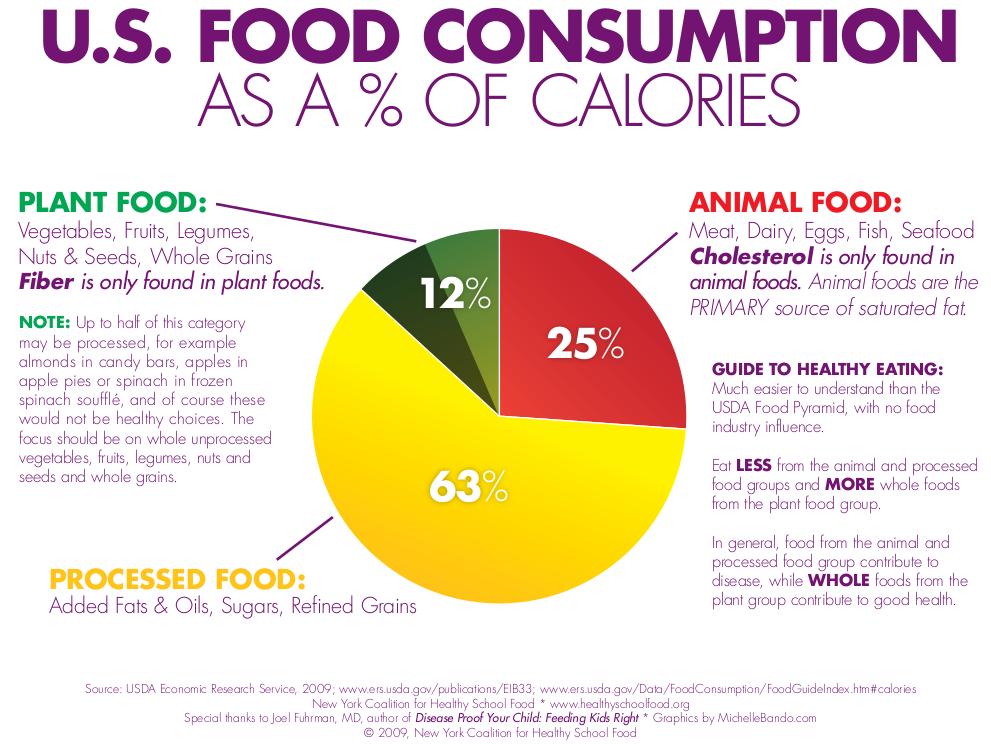
Is this what we should eat?
 |
| What should we eat? |
|
 |
| Is this our best human ecology? |
 |
| How much home do we need? |
 |
| How many cars do we need? |
 |
Do we need this much stuff?
 |
How much stuff do you need?
 |
Is this how we should consume?
|
|
|





No comments:
Post a Comment